Available 24/7 +447990893434
 +447990893434
apply@florence.com.tr

Board-certified plastic surgeons, hospital anaesthesia, intensive care on standby (within the hospital if required), and one coordinator from first message to final follow-up.
Aesthetic surgery is still surgery. The difference between a good outcome and a story you would rather not tell is usually not the surgeon’s hands — it is what surrounds them: proper pre-operative assessment, anaesthesiologists who work in this building every day, sterile theatres, and an intensive care unit two floors away (within the hospital) that you will almost certainly never need.
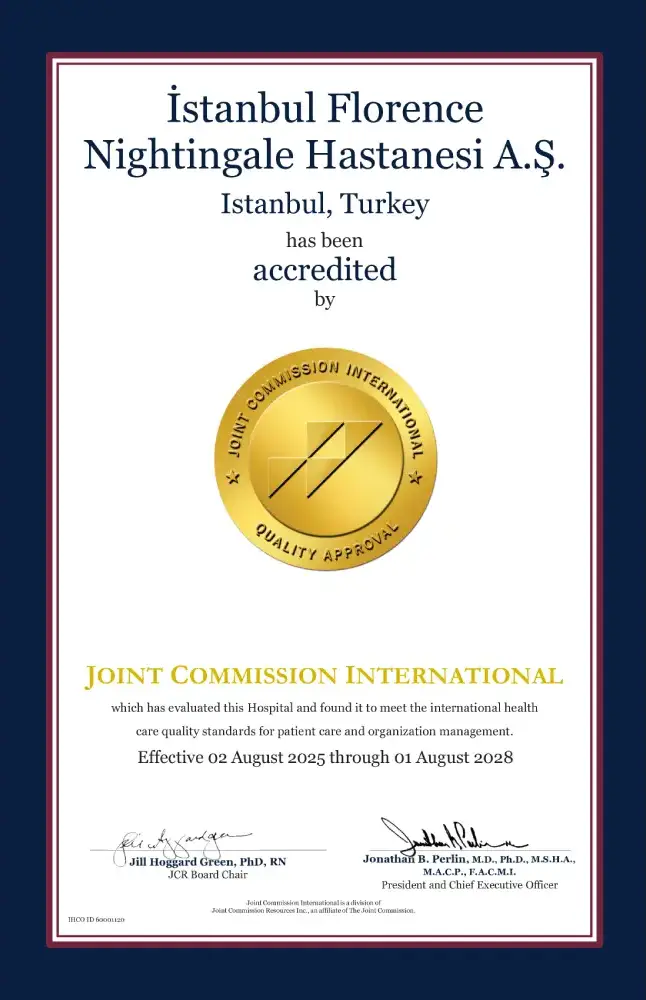
At Florence Nightingale Hospitals, cosmetic procedures are performed inside a JCI-accredited hospital by plastic and reconstructive surgeons who also do complex reconstruction after cancer and trauma. That reconstructive grounding shows up in aesthetic work as restraint: we plan for what suits your face and your body, tell you plainly what a procedure can and cannot deliver, and decline operations that are not in your interest.
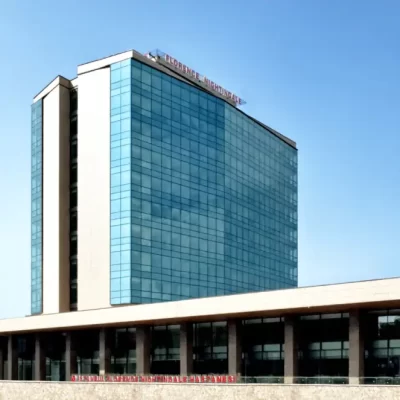

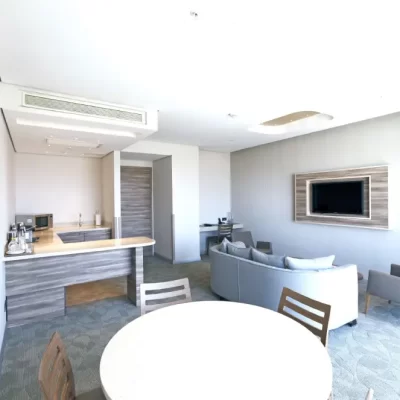
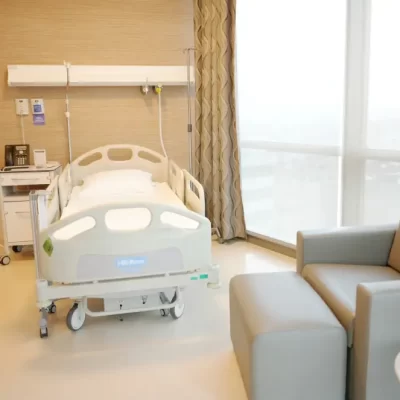
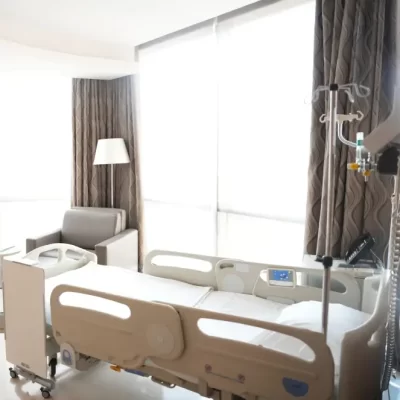
Hospital-grade safety. Reconstructive-grade judgement. No packages, no pressure.
Your hospital stay and your total time in Istanbul are not the same — you may need to remain in the city for follow-up before flying home.
Baseline and follow-up prostate-specific antigen measurement, interpreted alongside prostate volume, age and PSA density rather than in isolation.
3T imaging with T2, diffusion and dynamic contrast sequences, reported using PI-RADS scoring to decide whether a biopsy is needed at all.
Targeted cores from PI-RADS 3–5 lesions plus systematic sampling, under sedation or general anaesthesia.
Whole-body PSMA imaging for staging high-risk disease and for biochemical recurrence after surgery or radiotherapy.
Objective measurement of urine flow rate and retained volume — the numbers that decide whether BPH needs surgery.
Pressure-flow assessment for complex voiding problems, overactive bladder and post-prostatectomy incontinence.
Prostate volume, bladder wall changes and kidney assessment in a single visit.
Direct flexible or rigid inspection of the urethra and bladder for haematuria, strictures and bladder tumours.
Full endocrine profile for suspected testosterone deficiency or infertility.
Detailed andrology laboratory testing for male infertility evaluation.
Assesses arterial inflow and venous leak in erectile dysfunction before treatment is chosen.
Additional staging where indicated, reviewed together with PSMA PET-CT findings.
Cardiovascular risk, blood pressure, lipids, glucose and HbA1c, thyroid, liver and kidney function, vitamin D, colorectal cancer screening and BMI/body composition — because prostate health is rarely the only thing worth checking.
Before You Arrive
Arrival & Assessment
Treatment & Stay
Follow Up & Return Home
We’ve worked with patients from 100+ countries — no case too simple or complex.

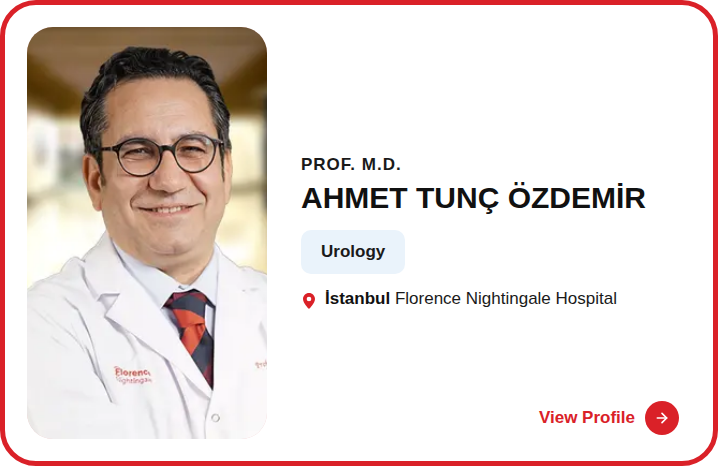
Because of what’s available if something goes wrong. A hospital has anaesthesiologists, blood products and intensive care on hand — most patients never need any of it, but that’s the entire point of having it there.
Yes. Clear photos from a few angles let a surgeon give you an initial view and a quote. The final plan still needs an in-person exam once you arrive.
Depends on the procedure — about a week for eyelid surgery, up to two weeks for a facelift or tummy tuck. Your surgeon confirms exact dates before you book flights.
Every operation leaves one. What a good surgeon controls is where it sits — a crease, a hairline, behind an ear — and how it’s closed. We’ll show you exactly where before you consent.
Sometimes, and it saves you a second recovery. But longer anaesthesia means more risk, so we combine only where it’s safe and stage the rest.
Then we’ll tell you why, and lay out the alternative — a different procedure, waiting until your weight is stable, or sometimes no surgery at all.
Let us know what kind of support you need. We’ll be in touch within 24 hours.
